Small Kitchen Storage Mistakes That Waste Valuable Space
You open your kitchen cabinet, and a pan falls out. You close the drawer, and it jams halfway. You’ve organized everything, yet there’s still no room to work. Sound familiar? The problem might not be your kitchen’s size—it could be the storage mistakes you’re making without realizing it. Here’s how to spot and fix them.
TL;DR
Small kitchens waste space when storage doesn’t match how you actually cook. The biggest culprits: storing rarely-used appliances in prime spots, using the wrong organizers that crowd walkways and counters, and failing to create zones so everything has a logical home . For narrow kitchens, avoid floor-level rolling carts, utensil crocks, and deep bins—these steal precious surface and walking space . The fix is simple: move bulky items off counters, use walls and doors for vertical storage, and plan each cabinet and drawer around what you need daily .
The Real Culprits Behind Wasted Kitchen Space
Mistake #1: Storing Items Far From Where You Use Them
If you have to walk across your kitchen to grab a spatula every time you cook, your storage is working against you. Professional organizers say a well-designed kitchen stores dishes near the dishwasher, cooking tools near the stove, and prep items near the counter where you chop . When items are stored in the wrong location, you waste steps, lose focus, and create clutter. The fix: zone your kitchen. Group things by task—prep, cooking, cleaning, storage .
Mistake #2: Holding Onto Stuff You Don’t Actually Use
Take a hard look at your cabinets. If you haven’t used that bread maker, electric hot pot, or specialty gadget in over a year, it’s stealing valuable real estate . In a small kitchen, every item must earn its spot . Store seldom-used appliances elsewhere or donate them . And that collection of mismatched storage containers with no matching lids? Let them go . Once you clear out the clutter, you’ll be amazed at how much usable space reappears.
Mistake #3: Using the Wrong Organizers for Your Kitchen’s Layout
What works in a large kitchen can be a disaster in a narrow one. Professional organizers warn against these common mistakes:
- Utensil crocks on the counter: They create clutter and take up valuable workspace
- Deep bins in cabinets: You can’t see or reach what’s at the bottom, so items get forgotten
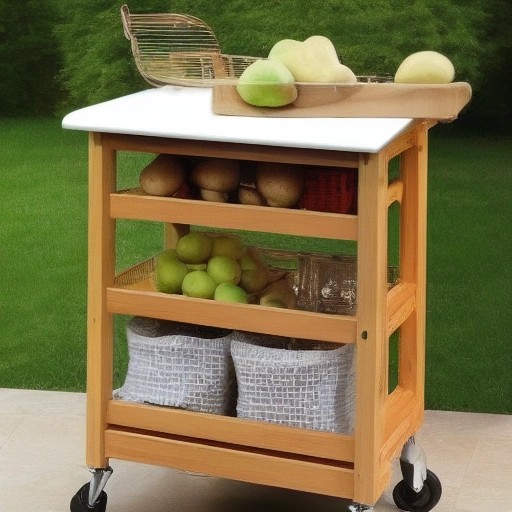
- Rolling carts: In a narrow kitchen, they block walkways and make the space feel cramped
- Magnetic spice jars: They add visual clutter that makes a small space feel chaotic
- Over-the-cabinet organizers: They can crowd cabinetry and disrupt flow
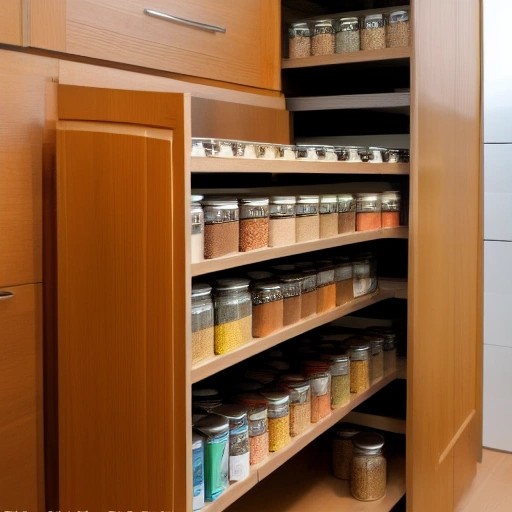
The smarter alternatives: use clear, shallow bins inside cabinets so everything is visible; keep counters clear with in-drawer utensil organizers ; and choose flush, right-angled containers that don’t stick out into walkways .
Mistake #4: Wasting Door and Wall Real Estate
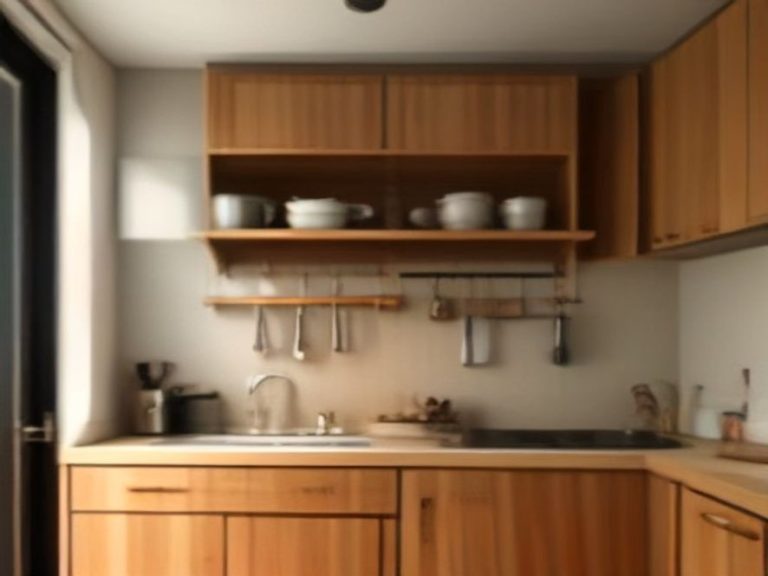
Most small kitchens ignore the inside of cabinet doors and blank walls. Yet these are prime spots for hidden storage—hooks for pot holders or measuring cups, slim racks for spices or foil, pegboards for oddly shaped tools, and over-the-door organizers for condiments . This keeps your counters and drawers free for the items you reach for most.
Mistake #5: Not Planning for Your Kitchen’s Flow
A small kitchen needs thoughtful layout planning. When cabinet doors open into the dishwasher, you have to step around them. When drawers are too shallow to hold your largest pan, you end up storing it on the counter . The fix: plan each cabinet around what it actually holds. Wider drawers beat deep cupboards because everything is visible from above . And don’t force an island or bulky furniture into a space that can’t accommodate it—leave at least 36 inches of clearance for comfortable movement .
Mistake #6: Over-Organizing with Too Many Containers
Here’s a twist: too many storage containers can actually waste space. Matching bins might look great on social media, but they can reduce usable shelf space, waste vertical cabinet height, and create friction when you just need to grab something quickly . The goal isn’t maximum compartmentalization—it’s efficient accessibility. Professional kitchens succeed because everything is visible and reachable within seconds .
Quick Reference: Common Storage Mistakes and Fixes
| Mistake | Better Approach |
|---|---|
| Utensil crocks on counters | In-drawer organizers |
| Deep, dark cabinets | Clear, shallow bins with labels |
| Rolling carts blocking walkways | Wall-mounted or flush storage |
| Rarely-used appliances in prime spots | Store elsewhere; donate if unused in a year |
| Storing items far from where you use them | Create task-based zones (prep, cooking, cleaning) |
| Too many containers | Use fewer, purpose-chosen organizers |
| Cabinet doors and walls ignored | Inside-door racks, wall-mounted pegboards, magnetic knife strips |
| Dark and heavy finishes | Light, reflective surfaces to visually expand the space |
Frequently Asked Questions
Why does my small kitchen feel cramped even though I have enough cabinets?
Most likely because your storage isn’t matched to how you actually use the kitchen. Items are stored far from where you need them, rarely-used gadgets take up prime space, and organizers block walkways instead of helping .
What should I stop storing in my kitchen cabinets?
Seldom-used appliances, excess cleaning supplies, expired food and spices, tool kits, and pet food . Also, toss chipped or broken utensils, mismatched container lids, and stale snacks that are past their prime .
How do I organize a narrow kitchen without making it feel smaller?
Avoid anything that blocks your walkway—over-the-cabinet organizers, rolling carts, and standing shelving units . Use shallow, clear bins inside cabinets, store rarely-used items elsewhere, and move storage off counters and onto walls and doors .
What’s the best way to stop buying duplicate items?
Keep items visible by decanting dry goods into clear containers and grouping essentials into labeled bins. This way, you always see what you already have before you buy more .
Is open shelving a good idea in a small kitchen?
Yes, if used selectively. Open shelving can create a sense of airiness and keep frequently used items within reach. But avoid cramming it with clutter—use it for thoughtfully curated essentials that are part of your daily workflow .
References
Proven Solutions for a More Functional Small Kitchen:
- Apartment Therapy – 9 Items You Should Never Keep in a Narrow Kitchen
- Tasting Table – This Storage Mistake Is Causing Duplicate Items
- Southern Living – 7 Design Mistakes That Make a Small Kitchen Feel Even Smaller
- Ideal Home – How to Fix Wasted Cupboard Space
- Coohom – How to Keep a Small Kitchen Organized (Designer Tips)
- House Digest – 8 Items You Should Stop Storing In Kitchen Cabinets
- Yahoo – Create More Space By Avoiding These 10 Mistakes
- Cosmo Appliances – Why Your Kitchen Makes Cooking Harder
A small kitchen can be incredibly functional—if you stop fighting its natural constraints and start working with them. By avoiding these common mistakes, you can reclaim your space and actually enjoy cooking again.
Which kitchen problem do you want solved next? Share your thoughts in the comments.