Essential Cooking Supplies Most People Forget: The Hidden Heroes of Your Kitchen
You have the chef’s knife, the cutting board, and the nonstick skillet. You planned your meal, bought fresh ingredients, and felt ready. But now the pasta water is boiling, and you realize — you have no way to drain it. No colander. No pot holders. No backup plan.
TL;DR: Most new (and even experienced) cooks focus on the big-ticket items and forget the small essentials that make cooking actually work. The most commonly forgotten cooking supplies include a colander, kitchen shears, instant-read thermometer, vegetable peeler, microplane grater, kitchen towels, pot holders or oven mitts, can opener, measuring spoons, bench scraper, salad spinner, good salt and pepper grinders, a basic cookbook or recipe source, and food storage containers for leftovers. These items cost between 5 and 30 dollars each, but without them, everyday cooking becomes frustrating or even impossible. Buy these before you buy another specialty gadget.
The Real Problem with Missing Essentials
Here is the thing about essential supplies: you do not realize you are missing them until you need them. You cannot drain pasta without a colander. You cannot safely handle a hot pan without oven mitts. You cannot check if chicken is cooked through without a thermometer. You cannot open a can of beans without a can opener.
These are not glamorous purchases. You will not show them off on social media. But they are the difference between a smooth cooking experience and a stressful, messy, sometimes painful one .
Think of these as the stagehands of your kitchen. They never get the spotlight, but the show cannot go on without them.
The Forgotten Essentials Checklist
1. Colander (Not Just for Pasta)
Everyone remembers to buy pots and pans. Everyone forgets the colander. A colander is not just for draining spaghetti. You need it for rinsing vegetables, washing fruit, draining canned beans, and straining stocks .
What to look for: A sturdy base (so it does not tip over) with small feet (so water drains underneath). Metal is more durable than plastic, but a good plastic colander works fine. Make sure the holes are small enough to keep rice or quinoa from escaping .
Why it gets forgotten: Colanders are not “exciting.” They sit in a cabinet. But try cooking pasta without one, and you will be using a pot lid to hold back spaghetti while hot water splashes everywhere. Not fun.
Budget option: Basic metal colander — 7 to 10 dollars.
2. Kitchen Shears (The Multi-Tool You Did Not Know You Needed)
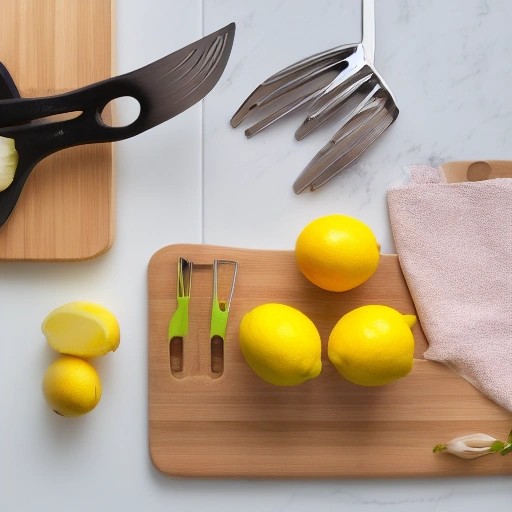
A good pair of kitchen shears is like having an extra hand. They cut through chicken joints, snip herbs directly into a pot, open stubborn packaging, trim fat, cut green onions into neat slices, and even cut pizza .
What to look for: Shears that come apart into two pieces for cleaning (food gets trapped in the hinge). Micro-serrated blades grip slippery things like raw chicken skin. Sturdy construction that will not bend .
Why they get forgotten: Most people think scissors are scissors. But regular office scissors are not designed for food, and they do not come apart for cleaning. Kitchen shears are sharper, stronger, and safer .
Budget option: KitchenAid all-purpose kitchen shears — 8 to 12 dollars.
Safety reminder: Always wash shears immediately after cutting raw meat. The hinge can trap bacteria if not thoroughly cleaned.
3. Instant-Read Thermometer
This is the single best tool for preventing ruined meat. No more cutting into a chicken breast to check if it is done — which lets all the juices run out. No more guessing if that pork chop is safe to eat .
What to look for: A digital thermometer with a foldable probe, backlit display, and magnetic back (so it sticks to your oven or refrigerator). Reads temperature in 2-3 seconds .
Why it gets forgotten: Experienced cooks “just know” when meat is done. But beginners do not. And honestly, even experienced cooks are wrong sometimes. A thermometer is cheap insurance against foodborne illness and dry, overcooked meat .
Budget option: Taylor digital instant-read thermometer — 15 to 20 dollars.
4. Vegetable Peeler (Y-Peeler, Not Straight)
Peeling carrots, potatoes, apples, and cucumbers is a pain with a dull or awkward peeler. A Y-peeler (shaped like a Y) is much easier to control than a straight peeler. The motion is more natural, and you are less likely to peel your knuckles .
What to look for: A sharp, rust-resistant blade. A comfortable grip. The Y-shape allows for smooth, continuous peeling strokes .
Why it gets forgotten: People think they can use a knife to peel vegetables. You can. But it takes three times as long, and you waste more food. A good peeler is cheap and fast.
Budget option: OXO Good Grips Y-peeler — 6 to 8 dollars.
5. Microplane Grater
A Microplane is not a regular box grater. It has razor-sharp teeth that zest citrus, grate hard cheese (Parmesan!), fresh ginger, garlic, and even chocolate into fluffy, delicate piles .
What to look for: The original Microplane brand is worth the extra money — they are sharper and last longer. Look for a long, narrow shape that fits easily into a drawer .
Why it gets forgotten: It looks like a woodworking tool. Many people do not know what it is for. But once you have one, you will use it constantly. Fresh lemon zest on pasta? Garlic grated directly into a pan? Parmesan that actually melts? Yes, yes, yes .
Budget option: Microplane Classic Zester Grater — 12 to 15 dollars.
Safety reminder: The blades are extremely sharp. Wash by hand carefully. Do not let children use it unsupervised.
6. Kitchen Towels (Buy More Than You Think)
Paper towels are expensive and wasteful. Dish towels that you wash and reuse are better for the environment and your wallet. But most new homeowners buy two or three and then run out constantly .
What to look for: 100 percent cotton (absorbs better than blends). Medium weight. Dark colors hide stains. Buy at least six — preferably 12. You will reach for them constantly: drying hands, wiping spills, grabbing hot handles, lining bread baskets, covering rising dough .
Why they get forgotten: Towels seem like a “household” item, not a “cooking” item. But you cannot cook without them. Try frying chicken without a towel nearby.
Budget option: Bulk pack of cotton dish towels — 10 to 15 dollars for a 6-pack.
7. Pot Holders or Oven Mitts (Not the Thin Ones)
Burns are the most common kitchen injury. Cheap, thin oven mitts are almost useless. You grab a 400-degree cast iron skillet, and within seconds, you feel the heat on your fingers. You drop the pan. You get hurt .
What to look for: Heat-resistant material rated to at least 450°F. Good grip texture. Mitts should cover your entire hand and at least part of your forearm (not just wrist-length). Silicone or heavy quilted cotton both work .
Why they get forgotten: They are not fun to buy. But try taking a hot pan out of the oven with a thin dish towel. You will burn yourself. It is not worth it.
Budget option: Silicone oven mitts (pair) — 10 to 15 dollars.
Safety reminder: Keep pot holders and oven mitts at least 3 feet away from the stove when not in use. They are flammable.
8. Can Opener (Manual, Not Electric)
You will open canned tomatoes, beans, broth, tuna, and coconut milk constantly. A manual can opener is faster, cheaper, and never breaks. Electric can openers take up counter space, have motors that fail, and are slower to set up than just turning a handle .
What to look for: A smooth-turning mechanism. Rubber-coated handles for grip. Some models leave smooth edges so you do not cut yourself on the lid .
Why it gets forgotten: Canned goods seem like “emergency food.” But most home cooks use canned beans, tomatoes, and broth weekly. You will need a can opener more often than you think .
Budget option: Basic manual can opener — 5 to 10 dollars.
9. Measuring Spoons (Metal, Not Plastic)
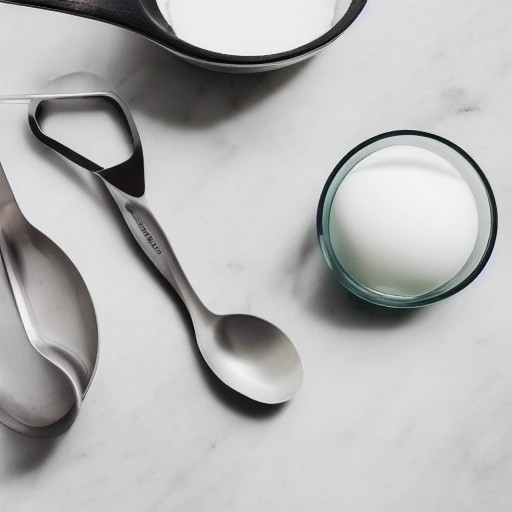
Plastic measuring spoons warp over time, especially in the dishwasher. A warped spoon does not measure accurately. Metal spoons last forever and are dishwasher safe .
What to look for: A nested set on a ring (so they do not get lost). Sizes: 1/4 teaspoon, 1/2 teaspoon, 1 teaspoon, 1 tablespoon .
Why they get forgotten: People think they can eyeball small amounts. You cannot. Baking powder, salt, and baking soda need to be accurate. Too much baking powder ruins a cake. Too much salt ruins a soup .
Budget option: Basic metal measuring spoon set — 5 to 8 dollars.
10. Bench Scraper (Plastic or Metal)
A bench scraper is a flat blade with a handle on top. Pastry chefs use them to cut dough and scrape work surfaces. But home cooks can use them for something even more useful: removing stuck-on food from dishes .
What to look for: A plastic bench scraper is flexible and gentle on nonstick pans. A metal one is more durable and can cut through dough. For dishwashing, plastic is better because it will not scratch.
Why it gets forgotten: It looks like a niche baking tool. But it is one of the most useful cleaning tools in the kitchen. Scrape caked-on cheese, dried rice, and burnt sauce off plates and pans before washing. Your sponges will last much longer .
Budget option: Plastic bench scraper — 2 to 5 dollars.
11. Salad Spinner (For More Than Salad)
Wet lettuce makes sad salads. Dressing slides off, and greens get soggy. A salad spinner uses centrifugal force to fling water off leaves — something a towel cannot do as effectively .
What to look for: A spinner with a non-slip base and a brake button (stops the spinning instantly). The OXO brand is widely recommended for its sturdy build and one-handed pump .
Why it gets forgotten: People think they can dry greens with paper towels. You can, but you will use half a roll, and the greens will still be damp. A spinner is faster, more effective, and reusable. And it is also great for cleaning berries and herbs .
Budget option: OXO Good Grips Salad Spinner — 25 to 30 dollars.
12. Good Salt and Pepper Grinders
Pre-ground pepper loses its flavor within months. Freshly cracked pepper is a revelation — it is spicy, bright, and aromatic in a way pre-ground can never be .
What to look for: Adjustable grind settings (fine to coarse). Clear body (so you can see when you are running low). Ceramic or stainless steel grinding mechanism (metal can rust) .
Why they get forgotten: Salt and pepper seem like basics, but many people buy pre-ground pepper and table salt. Upgrading to a salt box (for kosher salt) and a pepper grinder (for whole peppercorns) changes your cooking dramatically .
Budget option: Peugeot pepper mill (splurge) or basic clear acrylic grinder (save) — 15 to 30 dollars.
13. A Reliable Cookbook or Recipe Source
You will not remember every recipe. Even experienced cooks look things up. But relying solely on your phone means dealing with ads, pop-ups, and a screen that dims and locks when you have messy hands .
What to look for: A beginner-friendly cookbook with clear instructions and photos. Or a tablet stand for your kitchen that holds your device at eye level. Or a printed recipe binder where you save your favorites .
Why it gets forgotten: “I can just use my phone.” You can. But have you ever tried to scroll past a video ad with raw chicken on your fingers? A physical cookbook or a dedicated tablet stand is much less frustrating .
Budget option: Salt, Fat, Acid, Heat by Samin Nosrat (excellent for beginners) — 20 to 30 dollars.
14. Food Storage Containers (With Lids That Match)
Leftovers are the best part of home cooking. But if you do not have containers, your leftovers sit in pots in the fridge, taking up space and drying out .
What to look for: One matching set from a single brand. Glass is more durable and does not absorb stains or odors. Plastic is lighter and cheaper. The key is that all the lids are interchangeable — no more searching for the right lid .
Why they get forgotten: New homeowners often assume they will use the containers leftover from takeout. Those are fine temporarily, but they do not seal well, stain easily, and warp in the microwave .
Budget option: Basic 5-10 piece set — 15 to 25 dollars.
15. Dish Drying Rack
Unless you have a dishwasher and plan to run it every single day, you need a place for wet dishes to dry. A dish drying rack with a drainboard directs water into the sink instead of pooling on your counter .
What to look for: A sloped design that directs water into the sink. A removable flatware caddy. Non-slip feet. Over-the-sink roll-up racks save counter space .
Why it gets forgotten: Drying dishes on a towel seems fine. But the towel gets soaked. Water runs onto the counter. The counter stains or warps over time. A proper drying rack is cheap and protects your kitchen .
Budget option: Basic wire drying rack — 10 to 15 dollars.
Comparison Table: Forgotten Essentials vs. Luxury Splurges
| Forgotten Essential | Why You Need It | What It Costs | Luxury Splurge You Do Not Need Yet |
|---|---|---|---|
| Colander | Drains pasta, rinses vegetables | 7-10 dollars | Designer ceramic colander |
| Kitchen shears | Cuts chicken, herbs, packaging | 8-12 dollars | Electric kitchen scissors (yes, this exists) |
| Instant-read thermometer | Prevents under/overcooked meat | 15-20 dollars | Smart thermometer with app (nice, but start basic) |
| Vegetable peeler | Peels carrots, potatoes, apples | 6-8 dollars | Electric peeler |
| Microplane grater | Zests citrus, grates hard cheese | 12-15 dollars | Electric spice grinder |
| Pot holders | Protects hands from hot pans | 10-15 dollars | Designer silicone mitts (same function) |
| Can opener | Opens canned goods | 5-10 dollars | Electric can opener |
| Metal measuring spoons | Accurate small amounts | 5-8 dollars | Magnetic levitating measuring spoon set |
| Bench scraper | Removes stuck-on food | 2-5 dollars | Heated bench scraper (not a real thing, thankfully) |
| Salad spinner | Dries lettuce and herbs | 25-30 dollars | Electric salad spinner (overkill) |
| Cookbook or tablet stand | Reliable recipe access | 20-30 dollars | Built-in kitchen TV with recipe app |
| Food storage containers | Stores leftovers | 15-25 dollars | Vacuum-sealing system (buy later) |
Chart: Which Forgotten Items You Will Use Most Often
The “Buy It Before You Need It” Rule
Here is a simple rule for kitchen supplies: if you have ever said, “I wish I had a [blank]” more than twice, buy it. Do not wait until the next time you need it. The 10 dollars you spend on a bench scraper will save you hours of scrubbing pans.
The other rule: keep backups of consumables. When you open your last roll of paper towels, put “paper towels” on your shopping list immediately. When you use the last of the dish soap, buy more that same day. Running out of these basics in the middle of cooking is avoidable frustration.
The best time to buy a colander is before you boil pasta. The best time to buy oven mitts is before you grab a hot pan. Do not wait until you are in crisis.
FAQ: Quick Answers About Forgotten Cooking Supplies
What is the single most forgotten cooking essential?
A colander. Most people remember pots, pans, and knives. But when the pasta water is boiling, they realize they have no way to drain it .
Do I really need kitchen shears or can I use regular scissors?
Regular scissors are not designed for food. They do not come apart for cleaning, they are not sharp enough for chicken joints, and food gets trapped in the hinge. Kitchen shears are worth the 8 dollars .
Why do I need an instant-read thermometer if I am not baking?
For meat. Chicken needs to reach 165°F to be safe. Pork chops are best at 145°F. Steak at 135°F for medium-rare. Guessing leads to dry, overcooked meat or foodborne illness .
What is the difference between a Microplane and a box grater?
A Microplane has razor-sharp teeth that produce fluffy, delicate results. It is best for zesting citrus and grating hard cheese. A box grater has larger holes for shredding vegetables and softer cheeses. You need both eventually, but start with a Microplane .
How many kitchen towels do I need?
At least six. Ideally 12. You will use them constantly — drying hands, wiping spills, grabbing hot handles. If you run out before laundry day, you do not have enough .
Are expensive pot holders worth it?
Yes for heat protection. Cheap, thin mitts do not protect your hands. You need mitts rated to at least 450°F. But expensive designer brands are not better than mid-range options .
What is the most versatile forgotten tool?
Kitchen shears. They cut herbs, chicken, packaging, pizza, green onions, and even flowers for a centerpiece. One tool, dozens of uses .
The Bottom Line
The difference between a frustrating kitchen and a functional one is often not the big-ticket items — it is the small essentials you never thought to buy. A colander costs less than a takeout meal but saves you from the mess of draining pasta with a pot lid. A bench scraper costs a few dollars but saves your sponges and your elbows. A digital thermometer costs as much as a movie ticket but prevents you from serving dry, overcooked chicken.
Buy these forgotten essentials before you buy another specialty gadget. They are not glamorous. They will not impress your friends. But they will make cooking easier, safer, and more enjoyable. And that is what really matters.
What is the one cooking supply you forgot to buy when you first set up your kitchen? Share your thoughts in the comments.
References: