How to Fix Kitchen Chaos: Essential Tools for Cooking and Cleaning at the Same Time
That moment when you’re stirring a sauce, chopping vegetables, and the sink is already piled high—and you realize dinner is only half done but cleanup already feels overwhelming.
You want to cook a great meal. But every time you turn around, there’s another dirty spoon, another splatter on the stove, another dish that needs washing. By the time you eat, the kitchen looks like a disaster zone. And the thought of cleaning up after dinner? It’s enough to make you order takeout.
The problem isn’t that you’re messy. The problem is that most of us treat cooking and cleaning as two separate activities. Professional chefs know better: they cook and clean at the same time, and they do it with a system. With the right essentials and a few simple habits, you can do the same.
TL;DR
The best kitchen essentials for cooking and cleaning simultaneously focus on minimizing tools and creating a clean-as-you-go system. Start with a clean kitchen. Use a prep sink or bowl for soaking utensils, keep a garbage bowl nearby, and use all-in-one tools that reduce dishes. Clean spills immediately and pre-treat dirty dishes before they cake on. Organize your kitchen into task zones for efficiency.
Key Takeaways
- Start with a clean slate—empty dishwasher, shiny sink, cleared counters make it easier to stay clean
- Use a prep sink filled with soapy water to soak utensils as you cook, then scrub during downtime
- Keep a garbage bowl within arm’s reach for peels, shells, and scraps so you don’t run to the trash repeatedly
- Invest in all-in-one tools like a spatula spoon that replaces multiple utensils
- Clean spills immediately—fresh spills are much easier to clean than baked-on ones
- Pre-treat dirty dishes with a water-dish soap solution as soon as they’re cool enough
The Real Challenges of Cooking and Cleaning at the Same Time
Cooking and cleaning simultaneously sounds great in theory. In practice, it feels impossible. You’re juggling timers, chopping vegetables, and trying not to burn the sauce. The last thing you want to think about is washing dishes.
But here’s the secret that professional chefs know: cleaning as you go isn’t extra work. It’s actually less work. When you clean during the natural pauses in cooking—while onions are sautéing or water is boiling—you’re spreading the effort across the whole cooking process . You’re also avoiding the dreaded post-dinner mountain of dishes.
The problem is that most kitchens aren’t set up for this workflow. You need the right tools and a system that makes cleaning feel automatic rather than forced.
Essential #1: Start With a Clean Kitchen
You can’t clean as you go if you’re starting from a mess.
Professional culinary multitaskers start with what they call a “clean slate.” This means an empty dishwasher, an empty and shiny sink, and cleared-off counters . When you start with these three areas clean, you’ll be amazed at how manageable it is to keep the kitchen clean throughout cooking.
The psychology here matters. A clean sink invites you to put dirty utensils in it rather than leaving them on the counter. Clear counters give you space to work without moving things around. When you start clean, staying clean feels natural.
The recommendation: Before you start cooking, spend 2 minutes clearing the counters and loading the dishwasher. It’s a small investment that pays off in reduced stress .
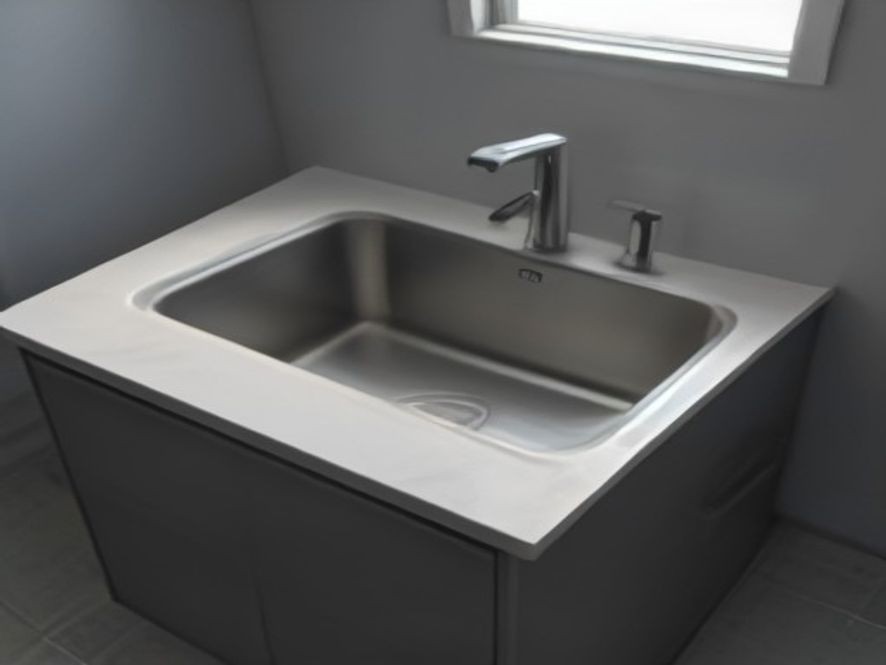
Essential #2: The Prep Sink Trick
One of the oldest restaurant tricks is brilliant: fill a sink or large bowl with hot water and a squirt of dish soap.
This is your “prep sink.” As you finish with whisks, spatulas, spoons, and tongs, drop them in to soak . If you need something again, simply lift it out, give it a quick rinse, and you’re ready to go.
During downtime—like when onions are sautéing or water is boiling—give all the soaking utensils a quick scrub and rinse. Put them back in the drawer ready to be used again . Empty and refill the prep sink as needed.
Important safety notes:
- Never put knives in the prep sink. This is not the time you want to cut your hand on a sharp blade .
- Don’t put anything that touched raw meat in the prep sink. Clean those separately to avoid cross-contamination .
Why it works: When you soak tools immediately, food doesn’t have time to dry and cake on. A quick scrub takes seconds instead of minutes.
Essential #3: The Garbage Bowl System
A garbage bowl is a simple tool that makes a huge difference.
This is a bowl that lives within arm’s reach while you’re prepping and cooking. Its single purpose is collecting everything headed for the trash—peelings, shells, cuttings, bones, fat, lids, and packaging .
Why it works: Instead of running back and forth to the kitchen trash, you drop everything into the bowl. At the end of cooking, you empty the bowl into the trash. You’ve saved steps, kept your counters cleaner, and reduced the frantic scramble of trying to keep track of scraps.
One pro tip: Use a brightly colored bowl so you always know exactly where it is. You want to see it at all times while you’re working .
Essential #4: Clean Spills Immediately
A fresh spill is a thousand times easier to clean than one that’s cooked or baked on .
This applies to spills on your cooktop, floor, counter, and backsplash. Keep a kitchen towel or sponge handy and wipe up spills as soon as they happen. A good splatter screen will help immensely with keeping the cooktop clean in the first place .
Why it works: Baked-on spills require scrubbing and soaking. Fresh spills wipe away in seconds.
Essential #5: The Pre-Treat Technique
Pre-treating is a brilliant concept that makes final cleanup a breeze.
Professional culinary multitaskers recommend a simple pre-treatment solution: a water bottle (labeled or cleaned) filled with about 95% water and 5% dish soap . Keep it at the sink at all times.
How to use it: As soon as a dish or pan is cool enough to handle, give it a generous splash of this solution and let it soak until you have a few moments to wash it . If you wait too long and things cake on, cleaning becomes much harder.
Why it works: The soap solution breaks down grease and food particles from the moment you finish cooking. By the time you’re ready to wash, everything comes off easily. This is especially useful during “resting” periods in cooking—like when meat is resting or bread is baking—so you can use that downtime for cleaning .
Essential #6: All-In-One Tools That Reduce Dishes
Every extra tool you use is an extra item to clean.
This is why all-in-one tools are so valuable. The Staub Multifunction Spatula Spoon is an example of a tool that works as a spoon, spatula, scraper, and serving spoon . It’s made from food-safe silicone and a wooden handle, is scratch-resistant and heat-resistant, and works on any cooking surface—including nonstick .
What reviewers say: One user said it “does not scratch pans” and offers “better control” than similar tools. Another called it “the best kitchen utensil” because it’s “easy to clean” and “holds up to heat” .
A bench scraper is another multi-functional tool. It can scrape stray food scraps off counters and transfer chopped ingredients directly from the cutting board to the pan . Some have measurement markings etched in for precision baking .
For general baking and prep, a flexible bowl scraper works great for mixing, scraping, and cleaning every last bit of batter or dough from bowls .
Why it works: When you use one tool for multiple tasks, you’re not dirtying three separate utensils. That means less to wash and less time cleaning.
Essential #7: Zone-Based Organization
Organizing your kitchen by task zones makes cooking and cleaning flow naturally .
This is the single highest-impact organizational change you can make, and it costs nothing. Instead of grouping items by what they are, group them by what you’re doing .
Think in zones:
- Coffee or tea station: mugs, beans, filters, kettle all in one spot
- Prep zone: cutting boards, knives, oils, frequently used spices
- Cooking zone: spatulas, tongs, cooking spices, oils near the stove
- Cleaning zone: dish soap, sponges, drying rack near the sink
Liz Goldberg, founder of design firm CAROLYNLEONA, says: “Keep your prep, cooking, and cleanup zones clearly defined and arranged so everything you need is within easy reach” .
Why it works: When everything you need is in one place, you stop crisscrossing the kitchen mid-recipe. You’re not hunting for utensils, and you’re not creating extra mess by moving things around constantly.
Comparison Table: Essentials for Cooking and Cleaning at the Same Time
| Tool | Purpose | Key Benefit | Cost Range |
|---|---|---|---|
| Prep Sink/Soapy Bowl | Soak used utensils immediately | Prevents food from drying and caking | Free (bowl) |
| Garbage Bowl | Collect scraps and trash as you cook | Eliminates repeated trips to trash | $5-20 |
| Water/Dish Soap Solution | Pre-treat dirty dishes and pans | Makes final cleanup much faster | $2-5 (makes many) |
| Multifunction Spatula Spoon | Replaces spoon, spatula, scraper | Fewer tools = fewer dishes | $15 |
| Bench Scraper | Scoop chopped food, scrape counters | Multi-purpose prep and cleanup | $10-20 |
| Splatter Screen | Prevents grease splatters on cooktop | Reduces stovetop cleaning | $8-15 |
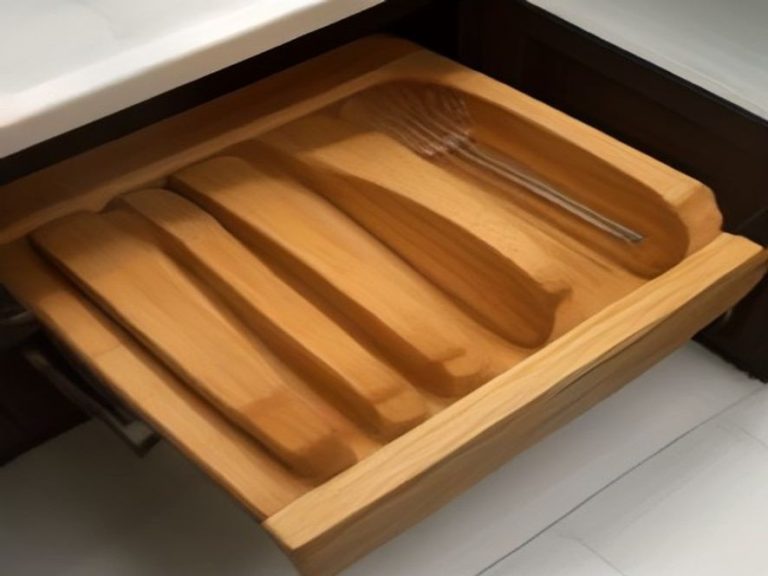
| Drawer Organizers | Utensils are visible and accessible | No digging, less frustration | $10-30 |
FAQ Section
What is the best way to clean as I cook?
Start with a clean kitchen. Fill a bowl or sink with soapy water for utensils. Keep a garbage bowl nearby. Clean spills immediately. Pre-treat dirty dishes with a soap-water solution .
How do I wash dishes while cooking without getting overwhelmed?
Use the natural pauses in cooking—like when onions are sautéing or water is boiling—to scrub and rinse soaking utensils. You’ll be done before you know it .
What are the best all-in-one kitchen tools?
A multifunction spatula spoon that works as a spoon, spatula, and scraper is a great choice. A bench scraper also serves multiple purposes for prep and cleaning .
Should I soak knives in the sink while cooking?
No. This is unsafe because you could cut yourself reaching into the water. Wash knives separately .
How do I prevent splatters while cooking?
Use a splatter screen over your pans. It reduces cleaning time and keeps your stovetop cleaner .
What’s the most common mistake when trying to cook and clean at the same time?
Starting with a messy kitchen. If your sink is full and counters are cluttered before you start cooking, you’ll never be able to keep up .
“Most kitchen problems come from small maintenance habits that are often ignored. With the right tools and a clean-as-you-go system, you can cook and clean at the same time without losing your mind.”
Which kitchen problem do you want solved next? Share your thoughts in the comments.
Kitchen Essentials for Cooking and Cleaning at the Same Time: Expert Tips