Kitchen Appliances Not Working? Complete Troubleshooting & Fix Guide
You rush home from work, open the refrigerator to grab ingredients for dinner, and the milk is warm. Then the oven won’t heat. Then the disposal just hums. Suddenly dinner feels impossible — and expensive.
TL;DR
When a kitchen appliance stops working, don’t panic and don’t automatically call for repair. Most problems have simple, repeatable fixes. This guide walks you through troubleshooting the five most common problem appliances: refrigerator (warm or noisy), oven (no heat or wrong temperature), dishwasher (won’t drain or leaking), garbage disposal (jammed or dead), and microwave (won’t heat or turn on). Start with the quick fix for each, then follow the step-by-step repair. You can solve 80 percent of appliance problems yourself in under 30 minutes.
Key Takeaways
- Before anything else: Unplug the appliance or turn off the circuit breaker. Safety is not negotiable.
- Most refrigerator cooling problems are caused by dirty condenser coils — clean them every 6 months.
- Most oven heating problems are a failed heating element (electric) or igniter (gas) — both are DIY-friendly.
- Most dishwasher drainage problems are a clogged filter or a missed knockout plug in the garbage disposal.
- Most disposal problems are a simple jam — fix it with the Allen wrench in the bottom.
- Most microwave problems mean buying a new microwave — repairs cost more than replacement.
Part 1: Refrigerator Troubleshooting
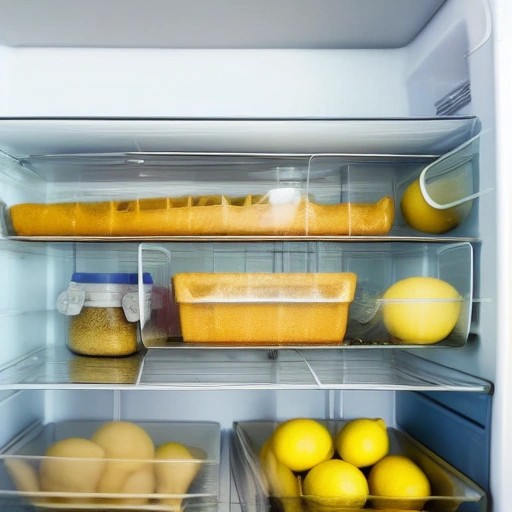
Your refrigerator is the most expensive and most important appliance in your kitchen. Here is how to fix it when it fails.
Symptom: Refrigerator Is Warm (But Running)
Quick fix (takes 15 minutes): Clean the condenser coils.
Dirty coils trap heat. Your fridge runs constantly trying to cool down, but the heat cannot escape. Unplug the fridge, pull it away from the wall, and vacuum the coils (on the back or behind the front kickplate). Plug back in and wait 12 hours. This solves about 40 percent of cooling problems.
If that does not work, check:
| Check This | How To Do It | Fix If Bad |
|---|---|---|
| Evaporator fan | Open freezer. Listen for air movement. No sound? Fan failed. | Replace fan motor ($30-60, DIY) |
| Air vents | Look for ice or food blocking vents between freezer and fridge | Clear blockage, defrost if needed |
| Start relay | Compressor clicks repeatedly but won’t run | Replace start relay ($15-40, easy DIY) |
| Temperature setting | Someone may have bumped the dial | Reset to 37°F (fridge) and 0°F (freezer) |
When to call a pro: If the compressor runs but the evaporator coils (inside freezer) have frost only at the very beginning, you likely have a refrigerant leak. This repair costs $800-1,500 — often more than a new fridge.
Symptom: Refrigerator Is Making Loud Noises
Quick fix: Level the refrigerator.
Use a wrench to adjust the front leveling legs until the fridge tilts slightly backward. Place a bubble level on top — the bubble should be toward the back.
If that does not work:
| Noise Type | Likely Cause | Fix |
|---|---|---|
| Buzzing or vibrating | Loose panel or unlevel feet | Tighten panels, re-level |
| Rattling | Something on top of fridge or loose drain pan | Remove items, secure pan |
| Clicking every 2-3 seconds | Failed start relay | Replace start relay ($15-40) |
| Grinding or scraping | Fan blade hitting ice or bad fan motor | Defrost for 24 hours or replace fan |
Always unplug appliances before cleaning or repairing them.
Part 2: Oven and Range Troubleshooting
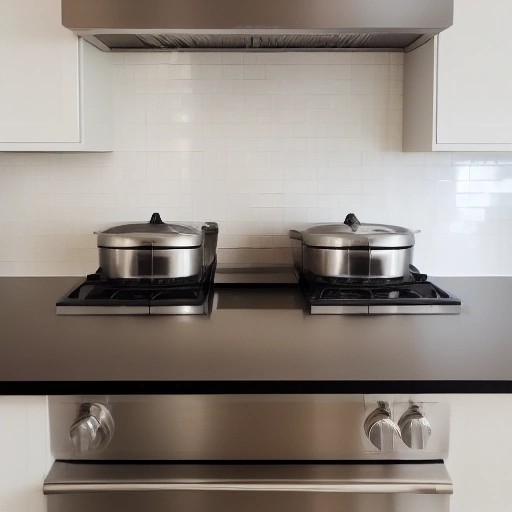
Your oven won’t heat, or it heats unevenly, or the temperature is always wrong.
Symptom: Electric Oven Not Heating
Quick fix: Check the circuit breaker.
Electric ovens need 240 volts. A tripped breaker may cut power to the heating elements while leaving lights and controls working. Flip the breaker fully off, then back on.
If that does not work:
| Check This | How To Do It | Fix If Bad |
|---|---|---|
| Baking element (bottom) | Turn oven on. Look inside. Element should glow orange. | Replace element ($20-40, easy DIY) |
| Broil element (top) | Same check for top element | Replace element ($20-40) |
| Temperature sensor | Oven heats but wrong temperature | Replace sensor ($15-30) |
| Control board | No heat but elements test good | Call pro (often not worth it) |
Step-by-step: Replace an oven baking element
- Unplug oven or turn off circuit breaker.
- Remove the screws holding the element to the back oven wall.
- Pull element forward slightly to expose wire connectors.
- Take a photo of wire positions, then disconnect wires.
- Attach wires to new element (same positions).
- Screw new element in place.
- Restore power and test.
Symptom: Gas Oven Not Heating
Quick fix: Check the gas supply valve behind the stove. The handle should be parallel to the pipe (not perpendicular).
If that does not work:
| Check This | How To Do It | Fix If Bad |
|---|---|---|
| Igniter | Turn oven on. Look inside. Igniter should glow orange. | Replace igniter ($30-60, DIY) |
| Gas valve | Igniter glows but gas does not flow | Call pro (gas work requires license) |
Step-by-step: Replace a gas oven igniter
- Unplug oven and turn off gas supply valve.
- Pull oven away from wall.
- Remove oven bottom panel (inside the oven).
- Locate igniter near burner tube.
- Remove screws, disconnect wires.
- Install new igniter (ceramic is fragile — handle carefully).
- Reassemble. Turn gas on. Restore power. Test.
Never attempt gas valve repair yourself. Call a licensed technician.
Symptom: Oven Temperature Is Wrong
Quick fix: Buy an oven thermometer ($5-10). Place it inside. Compare to your setting. Most ovens are off by 25-50 degrees.
How to calibrate: Check your manual. Most ovens can be calibrated by pressing a sequence of buttons (digital) or turning a screw behind the temperature knob (analog).
Part 3: Dishwasher Troubleshooting
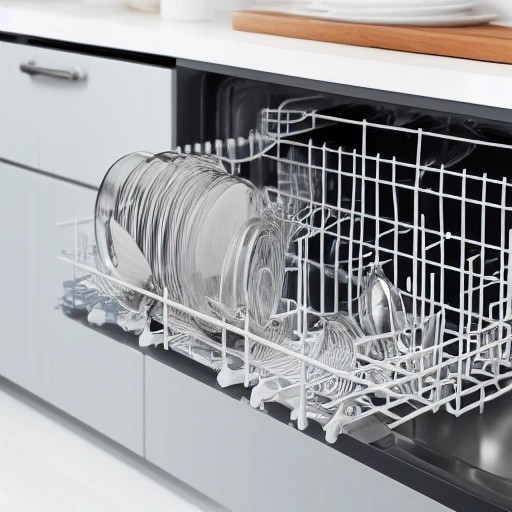
Your dishwasher won’t drain, or it leaks, or dishes come out dirty.
Symptom: Dishwasher Not Draining (Water in Bottom)
Quick fix: Clean the filter.
Remove the bottom rack. The filter is a round cylinder or flat panel at the bottom. Unscrew or lift it out. Rinse under hot water. Scrub with a toothbrush. Replace. This solves most drainage problems.
If that does not work:
| Check This | How To Do It | Fix If Bad |
|---|---|---|
| Garbage disposal knockout plug | New disposals have a plastic plug where dishwasher connects | Knock out plug with screwdriver and hammer |
| Drain hose | Disconnect hose under sink, check for blockage | Clear hose with water pressure |
| Drain pump | Pump hums but does not move water | Replace drain pump ($50-100, moderate DIY) |
Step-by-step: Check the knockout plug
- Look under sink. Find rubber hose from dishwasher to disposal.
- Disconnect hose from disposal.
- Look into disposal connection port. Solid disc = plug still in place.
- Use screwdriver and hammer to knock plug into disposal.
- Remove plug from disposal (disposal must be unplugged).
- Reconnect hose. Test dishwasher.
Symptom: Dishwasher Leaking
Quick fix: Check that the dishwasher is level. Adjust front legs up or down.
If that does not work:
| Leak Location | Likely Cause | Fix |
|---|---|---|
| Under front door | Worn door gasket or door not closing properly | Replace gasket ($20-40) or adjust latch |
| Under dishwasher | Loose hose connection or cracked hose | Tighten clamp or replace hose |
| From bottom center | Failed pump seal | Replace pump or entire dishwasher |
Symptom: Dishes Come Out Dirty
Quick fix: Clean the filter (see above). A dirty filter recirculates dirty water.
If that does not work:
| Possible Cause | Fix |
|---|---|
| Spray arms blocked | Remove spray arms, clean holes with toothpick |
| Not enough detergent | Use recommended amount of quality detergent |
| Overloading | Rearrange dishes, run smaller loads |
| Hard water | Add rinse aid, use dishwasher cleaner monthly |
| Water not hot enough | Run hot water at sink before starting cycle |
Part 4: Garbage Disposal Troubleshooting
Your disposal hums but does not spin, or it does not turn on at all, or it leaks.
Symptom: Disposal Hums but Does Not Spin
Quick fix: The disposal is jammed. Use the Allen wrench method.
Step-by-step:
- Turn off disposal. Unplug it or turn off circuit breaker.
- Locate hex hole in center of disposal bottom (may have a cover).
- Insert the Allen wrench (hex key) that came with the disposal (usually 1/4 inch).
- Turn wrench back and forth to free the jam.
- Remove wrench. Press red reset button on bottom.
- Plug back in. Run cold water. Turn on disposal. Test.
Symptom: Disposal Does Not Turn On at All
Quick fix: Press the red reset button on the bottom.
If that does not work:
| Check This | Fix |
|---|---|
| Tripped circuit breaker | Reset breaker at electrical panel |
| Unplugged | Look under sink — plug it back in |
| Bad wall switch | Replace switch (if comfortable) or call electrician |
| Dead motor | Replace disposal (seal failed or motor burned out) |
Symptom: Disposal Leaks
| Leak Location | Fix |
|---|---|
| Top (where disposal meets sink) | Tighten mounting ring with screwdriver or disposal wrench |
| Middle (seam between disposal halves) | Replace disposal (seal cannot be repaired) |
| Bottom (drain hose connection) | Tighten hose clamp or replace hose |
| Reset button area | Internal seal failed — replace disposal |
Part 5: Microwave Troubleshooting
Your microwave runs but does not heat, or it does not turn on at all.
Symptom: Microwave Does Not Heat
Quick fix: Check the door seal. Open and close the door firmly. A loose door safety switch prevents the magnetron from turning on.
If that does not work: The magnetron, diode, or capacitor has failed. Repairs cost $150-250 in parts plus labor. A new countertop microwave costs $80-150. Replace the microwave. It is not worth repairing.
Symptom: Microwave Does Not Turn On
Quick fix: Check that it is plugged in. Check the circuit breaker.
If that does not work:
| Possible Cause | Fix |
|---|---|
| Blown internal fuse | Replace fuse ($5-10) — requires disassembly |
| Bad door switch | Replace switch ($10-20) — moderate DIY |
| Failed control board | Replace microwave |
Microwaves contain a high-voltage capacitor that can shock you even when unplugged. If you are not comfortable with electronics, replace the microwave instead of repairing.
Appliance Troubleshooting Quick Reference
| Appliance | Symptom | Most Likely Fix | Time | DIY Difficulty |
|---|---|---|---|---|
| Refrigerator | Warm but running | Clean condenser coils | 15 min | Easy |
| Refrigerator | Loud noises | Level the fridge | 5 min | Easy |
| Oven (electric) | Not heating | Replace heating element | 15 min | Easy |
| Oven (gas) | Not heating | Replace igniter | 30 min | Moderate |
| Oven | Wrong temperature | Calibrate or use thermometer | 5 min | Very easy |
| Dishwasher | Not draining | Clean filter | 5 min | Very easy |
| Dishwasher | Leaking | Check level, tighten connections | 10 min | Easy |
| Disposal | Humming | Allen wrench to free jam | 5 min | Very easy |
| Disposal | Not turning on | Press reset button | 10 sec | Very easy |
| Microwave | Not heating | Replace microwave | N/A | N/A |
| Microwave | Not turning on | Check fuse or replace | 15 min or N/A | Moderate |
Repair vs. Replace Decision Guide
Use this chart when deciding whether to fix an appliance or buy a new one.
| Appliance | Average Lifespan | Repair Under $200 | Repair $200-400 | Repair Over $400 |
|---|---|---|---|---|
| Refrigerator | 12-15 years | Repair if under 10 years | Repair if under 8 years | Replace if over 8 years |
| Oven/Range | 13-15 years | Repair | Repair | Replace if over 10 years |
| Dishwasher | 9-10 years | Repair if under 6 years | Replace | Replace |
| Disposal | 10-12 years | Repair if under 8 years | Replace | Replace |
| Microwave | 7-9 years | Replace (not worth repair) | Replace | Replace |
The 50 percent rule: If the repair cost is more than 50 percent of the cost of a new appliance, buy a new one.
Prevention: Keep Appliances Working Longer
These simple habits prevent most appliance failures.
Monthly
| Appliance | Task |
|---|---|
| Dishwasher | Clean filter |
| Disposal | Grind ice and citrus |
| Range hood | Clean filter |
| Refrigerator | Check door seals (dollar bill test) |
Every 6 Months
| Appliance | Task |
|---|---|
| Refrigerator | Clean condenser coils |
| Oven | Run self-clean or use baking soda paste |
| Dishwasher | Run empty with vinegar, then with baking soda |
| All appliances | Pull out, vacuum behind and underneath |
FAQ: Appliance Troubleshooting
Why is my refrigerator running but not cooling?
Dirty condenser coils are the most common cause. Clean them. If that does not work, check the evaporator fan (inside freezer) and the start relay.
Can I replace my oven heating element myself?
Yes. It is one of the easiest appliance repairs. Unplug the oven, remove two or three screws, pull the element forward, disconnect wires, connect new element, screw it in. Takes 15 minutes.
How do I know if my garbage disposal is jammed or burned out?
A jammed disposal hums but does not spin. A burned-out disposal makes no sound at all. Try the Allen wrench trick first.
Why does my dishwasher leave white spots on glasses?
Hard water. Use a rinse aid (like Jet-Dry) and dishwasher cleaner monthly. Also check that your water heater is set to at least 120°F.
Is it safe to repair a microwave myself?
Microwaves contain a high-voltage capacitor that can hold a lethal charge even when unplugged. If you are not experienced with electronics, do not repair a microwave. Replace it.
How often should I clean my refrigerator coils?
Every 6 months. If you have shedding pets, every 3 months. Dirty coils are the number one cause of refrigerator failure.
What is the most common appliance problem in kitchens?
Dirty refrigerator condenser coils. They cause the compressor to run longer and work harder, leading to premature failure and higher electric bills.
Putting It All Together
When a kitchen appliance stops working, work through these steps in order:
- Check the simple things first: Is it plugged in? Did a breaker trip? Is the filter clean?
- Look up your symptom in this guide and try the quick fix.
- If the quick fix does not work, follow the step-by-step repair.
- Use the repair vs. replace guide to decide if it is worth fixing.
- Call a professional only for gas valve issues, sealed system refrigerant leaks, or repairs that cost more than a new appliance.
Always unplug appliances or turn off circuit breakers before attempting any repair.
Keep this guide handy. Bookmark it. When something breaks, you will know exactly what to do. Most appliance problems are simple, cheap, and fast to fix yourself.
Now go save yourself a service call. You have got this.
Which kitchen appliance problem do you want solved next? Share your thoughts in the comments.
References: