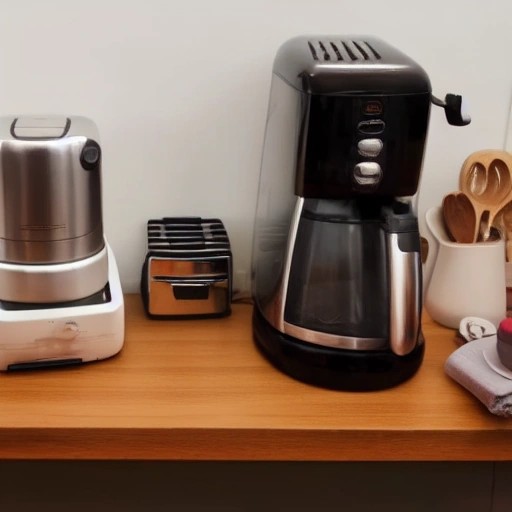
Why Do Kitchen Appliances Stop Working Suddenly? Complete Kitchen Appliance Failure Guide
You are in the middle of cooking dinner when you hear a loud pop from the microwave. Or you wake up to find the refrigerator warm and your milk spoiled. Or the dishwasher simply refuses to start for no apparent reason. These sudden failures always seem to happen at the worst possible time.
TL;DR: Kitchen appliances stop working suddenly for three main reasons: electrical issues (power surges, tripped breakers, faulty outlets), component failure (motors, heating elements, control boards), or user-related problems (overloading, poor maintenance, incorrect settings). The most common cause is a tripped circuit breaker or a loose plug — a simple fix that costs nothing. If not that, dirty condenser coils, failed door seals, or clogged filters are often to blame. Regular maintenance prevents most sudden failures, but some components naturally wear out over time. Knowing the difference between a DIY fix and a professional repair can save you hundreds of dollars.
The Real Reasons Appliances Die Suddenly
When an appliance stops working without warning, it feels random. But there is almost always a reason. Understanding why appliances fail helps you troubleshoot faster and prevent future breakdowns .
The causes fall into five main categories:
Electrical issues are the most common. Power surges, tripped circuit breakers, faulty wiring, or loose plugs can cause appliances to stop working instantly . A power surge during a storm, for example, can fry sensitive control boards in seconds .
Mechanical wear affects moving parts. Motors, belts, fans, pumps, and compressors degrade with use. Like tires on a car, these parts eventually wear out and need replacement .
Neglect and poor maintenance is the number one cause of preventable failures. Dirty refrigerator condenser coils cause overheating. Clogged dishwasher filters reduce cleaning performance. Grease buildup in oven hoods can cause fires. Most appliance problems are preventable with basic care .
User error is more common than most people admit. Overloading a dishwasher, blocking refrigerator air vents, using the wrong detergent, or forcing a disposal to grind things it should not — these mistakes strain appliances and cause sudden breakdowns .
Environmental factors include heat, humidity, dust, and poor ventilation. Built-in appliances that lack proper airflow overheat and fail prematurely .
Think of your appliances like a car. Ignoring the check engine light leads to a breakdown. A little maintenance goes a long way.
The Most Common Causes by Appliance Type
Refrigerators
Refrigerators stop working suddenly for a few key reasons:
Dirty condenser coils are the number one cause. When dust and pet hair coat the coils, heat cannot escape. The compressor runs constantly, overheats, and eventually fails. Cleaning coils every 6 to 12 months prevents this .
Tripped circuit breakers are the first thing to check. If the fridge is completely dead, go to your electrical panel and reset any tripped breakers .
Faulty door seals (gaskets) let cold air escape. The refrigerator runs constantly trying to keep up, stressing the compressor. The dollar bill test — close a bill in the door and try to pull it out — tells you if seals are tight .
Blocked air vents inside the fridge or freezer restrict airflow. If food is packed against the back wall, cold air cannot circulate .
Failed start relay — a small component attached to the compressor. If the compressor tries to start but clicks off repeatedly, the relay may be the culprit. This is a common and inexpensive fix .
Compressor failure is serious. If the compressor is running but the fridge is not cooling, or if the compressor is hot to the touch, you may have a sealed system problem. These repairs are expensive and often justify replacing the appliance .
Dishwashers
A dishwasher that stops working often has simple causes:
Tripped breaker or loose plug — before assuming the worst, check power connections .
Door latch issues — most dishwashers will not start if the door is not fully latched. Inspect the latch mechanism .
Clogged filter — food debris blocks water flow. Clean the filter regularly (it is usually at the bottom of the tub). A dirty filter is the most common cause of poor cleaning and mid-cycle stops .
Spray arm blockages — mineral deposits or food particles clog the tiny holes, preventing proper water distribution .
Faulty heating element — if dishes are not drying, or if the dishwasher runs but water stays cold, the heating element may have failed .
Power surge damage — a surge can fry the electronic control board. If you smell burning electronics, the board likely needs replacement .
Ovens and Stoves
When your oven or stove stops working, the cause depends on whether it is gas or electric:
For electric ovens:
- Tripped breaker or blown fuse — check the electrical panel first .
- Failed heating element — if the oven is not heating, inspect the baking and broil elements for visible damage (blisters, breaks) .
- Faulty temperature sensor — if the oven heats but at the wrong temperature, the sensor may need replacement .
- Control board failure — power surges, excessive heat, or moisture can damage the electronic control board .
For gas ovens:
- Gas supply issues — ensure the gas valve is open. If you smell gas, evacuate immediately and call your utility company .
- Faulty igniter — if you do not hear clicking when turning the knob, the igniter may need replacement .
- Clogged burner heads — food debris blocks gas flow. Remove and clean burner heads with a brush .
For stove burners:
- Loose or damaged burner coil (electric) — swap the non-working burner with a working one to test .
- Dirty burner head (gas) — clean with a toothbrush to clear clogged ports .
- Failed control switch — requires testing with a multimeter .
Microwaves
Microwaves are convenient but contain dangerous high-voltage components. Always unplug before attempting any repair .
Common causes of sudden failure:
- Door latch or switch problems — microwaves have safety switches that prevent operation if the door is not securely closed .
- Tripped circuit breaker — check your electrical panel .
- Blown internal fuse — a power surge can blow the fuse. Testing requires disassembly .
- Failed magnetron — if the microwave runs but does not heat, the magnetron (the component that generates microwaves) may have failed. This is an expensive repair .
Sparking or arcing inside the microwave is dangerous. Stop using it immediately. The cause is often metal objects inside, food splatters, or a damaged waveguide cover .
Safety reminder: Microwaves contain capacitors that hold a lethal charge even after unplugging. Unless you are trained, leave microwave repairs to professionals .
Garbage Disposals
A jammed disposal is usually a simple fix, but safety comes first.
Common causes:
- Tripped reset button — located on the bottom of the unit. Press it to reset .
- Jam — never put your hand inside. Use a hex key (usually ¼ inch) inserted into the bottom of the disposal to manually turn the blades. Unplug the unit first .
- Tripped circuit breaker — check the electrical panel .
- Leaks — inspect connections under the sink. Tighten mounting bolts or replace gaskets .
Safety reminder: Always unplug the disposal or turn off the circuit breaker before attempting to clear a jam. Your hand and a sharp blade inside a disposal do not mix .
The Electrical Check: First Thing Every Time
Before calling a repair technician, check the basics. Most “sudden” failures are power-related .
Step 1: Is it plugged in? Cords can work loose during cleaning or from vibration. Push the plug firmly into the outlet.
Step 2: Is the outlet working? Plug a lamp or phone charger into the same outlet. If it does not work, the outlet may be faulty or controlled by a switch.
Step 3: Check the circuit breaker. Go to your electrical panel. Look for a breaker that is in the “off” position or sitting in the middle (tripped). Flip it fully off, then fully back on. This simple reset fixes many appliance problems .
Step 4: Try a different outlet. Use a heavy-duty extension cord to test the appliance on a known working outlet.
Step 5: Inspect the power cord. Look for damage, fraying, or burn marks. If the cord is damaged, stop using the appliance immediately .
Electrical connections are the most common point of failure. Always check them first.
The Reset: Your Best Friend
Many appliances, especially those with digital controls, can be reset with a simple power cycle .
How to power cycle:
- Unplug the appliance from the wall.
- Wait at least 60 seconds (2 minutes for refrigerators).
- Plug it back in.
- For built-in appliances, turn off the circuit breaker for 60 seconds, then turn it back on.
This reset clears minor electronic glitches and software errors. If the appliance works after a reset, monitor it closely for further issues. If it remains unresponsive, continue troubleshooting .
The Maintenance You Are Probably Skipping
Most sudden appliance failures are preventable. These simple maintenance tasks take minutes but save hundreds in repairs .
Refrigerator:
- Clean condenser coils every 6 months — vacuum the coils at the back or bottom .
- Check door seals with the dollar bill test .
- Keep vents clear inside the fridge — leave space between items .
- Clean the drain pan to prevent leaks .
Dishwasher:
- Clean the filter weekly — remove and rinse under hot water .
- Check spray arms for clogs — use a toothpick to clear holes .
- Run an empty cycle with dishwasher cleaner or vinegar monthly .
- Inspect door seals for cracks or wear .
Oven and stove:
- Clean burner heads and grates regularly .
- Wipe spills immediately to prevent baked-on residue .
- Check oven door seals for gaps .
- Calibrate oven temperature if food is consistently over or under-cooked .
Garbage disposal:
- Grind ice cubes monthly to sharpen blades .
- Run baking soda and vinegar through to clean buildup .
- Never put bones, fibrous vegetables, or grease down the disposal .
Microwave:
- Clean interior and door seal regularly .
- Remove and clean the grease filter (if your microwave has one) .
- Test power output occasionally — a cup of water should boil in 2 minutes .
When Appliances Naturally Wear Out
No amount of maintenance makes appliances last forever. Every component has a limited lifespan .
Appliance Lifespan Guide
| Appliance | Average Lifespan | Signs of Aging |
|---|---|---|
| Refrigerator | 13-15 years | Noisy compressor, frequent cycling, poor cooling |
| Freezer | 15-20 years | Frost buildup, seal deterioration |
| Dishwasher | 7-10 years | Poor cleaning, leaks, loud operation |
| Electric Stove | 13-15 years | Uneven heating, burner failure |
| Gas Stove | 15+ years | Ignition problems, flame issues |
| Microwave | 7-10 years | Reduced heating power, unusual noises |
If your appliance is approaching its expected lifespan, a sudden failure may simply be a sign that it is time to replace it. As a rule of thumb, if the repair cost exceeds 50 percent of the price of a new appliance, replacement is usually the better option .
DIY vs. Professional Repair: How to Decide
Not every problem is a DIY project. Here is how to decide.
You CAN (usually) fix these yourself:
- Tripped breakers or blown fuses
- Dirty condenser coils
- Clogged filters
- Blocked air vents
- Loose burner coils
- Jammed garbage disposal (with the unit unplugged)
- Dirty door seals
- Power cycling to reset electronics
You SHOULD call a professional for:
- Burning smells or visible smoke — unplug immediately
- Gas smells — leave the area and call your utility company
- Any repair involving gas lines
- Compressor or sealed system problems
- Control board replacement
- Motor or pump replacement
- Water leaks that persist after basic checks
- Microwave repairs (high-voltage danger)
- Any repair you do not feel safe attempting
Safety reminder: If your appliance sparks, smokes, or smells like burning electronics, unplug it immediately. Do not use it again until a professional has inspected it. Electrical fires are not worth the risk .
When to Replace vs. Repair
This is the question every homeowner faces. Here is a framework for deciding:
Repair if:
- The appliance is less than 8 years old
- The repair cost is less than 50 percent of a new replacement
- The appliance has been reliable until now
- It is a high-end model worth preserving
Replace if:
- The appliance is near or past its expected lifespan
- The repair cost is more than 50 percent of a new unit
- The appliance has had multiple failures in the past year
- Newer models offer significant energy savings
- Replacement parts are no longer available
The sweet spot for repairing is usually years 3 through 10. Before year 3, warranty should cover it. After year 10 or 12, replacement often makes more financial sense.
Prevention: Your Best Strategy
The best way to deal with sudden appliance failure is to prevent it. Here is a simple maintenance schedule .
Monthly (5 minutes):
- Clean dishwasher filter
- Wipe refrigerator door seals
- Check for unusual noises or smells
- Press garbage disposal reset button to ensure it works
Quarterly (15 minutes):
- Clean range hood grease filters
- Check oven door seals
- Inspect refrigerator door seals with dollar bill test
- Run a cleaning cycle on the dishwasher
Every 6 months (30 minutes):
- Clean refrigerator condenser coils
- Vacuum under and behind all appliances
- Check appliance power cords for damage
- Test GFCI outlets
Annually (1 hour):
- Schedule professional maintenance check
- Deep clean oven and stove
- Calibrate oven temperature
- Inspect all hoses and connections
FAQ: Quick Answers About Sudden Appliance Failure
Why did my appliance suddenly stop working after a storm?
Power surges during storms can damage electronic control boards. Unplug sensitive appliances during thunderstorms. Using surge protectors can prevent this damage .
How do I reset a tripped circuit breaker?
Locate your electrical panel. Find the breaker that is in the “off” position or sitting in the middle. Flip it fully off, then fully back on. This restores power .
Can a power outage damage my appliances?
Yes. When power returns, it can surge. Unplug sensitive appliances like computers, TVs, and microwaves during outages. Surge protectors help, but unplugging is best .
Why does my appliance smell like something is burning?
Unplug it immediately. Burning smells indicate electrical overheating, which can cause fires. Do not use the appliance again until a professional inspects it .
How often should I replace my appliances?
Refrigerators: 13-15 years. Dishwashers: 7-10 years. Microwaves: 7-10 years. Electric stoves: 13-15 years. If your appliance is older than these averages and breaks down, replacement is often more cost-effective than repair .
What should I do if I smell gas from my stove?
Do not turn on any lights or electronics. Do not use your phone in the area. Evacuate immediately. Call your gas utility company from outside your home .
Can I repair my microwave myself?
No. Microwaves contain high-voltage capacitors that can hold a lethal charge even after unplugging. Leave microwave repairs to trained professionals .
The Bottom Line
Kitchen appliances stop working suddenly for reasons that are usually understandable — and often preventable. A tripped circuit breaker or a loose plug is the most common cause. Dirty condenser coils, clogged filters, and failed door seals follow close behind. Actual component failure — motors, compressors, control boards — becomes more likely as appliances age past 7 to 10 years.
Before you panic, check the simple things. Is it plugged in? Is the breaker tripped? Is the filter clogged? Does it need a reset? Most “sudden” failures are not sudden at all — they have been building up due to neglect or normal wear.
And when a professional is needed, do not hesitate to call. The cost of a service call is small compared to the cost of replacing an appliance that could have been fixed — or the cost of a kitchen fire from a DIY repair gone wrong.
Your appliances work hard for you every day. A little attention and maintenance keep them running and prevent the panic of sudden failure.
Which appliance has surprised you with a sudden failure? Share your thoughts in the comments.
References:
- Repairmen: Common Kitchen Appliance Problems
- Mr. Appliance: Refrigerator Cooling Problems
- GE Appliance Repair: 3 DIY Tricks to Revive a Dead Appliance
- MVP Appliances: Built-In Appliance Maintenance
- Repairmen: What to Do When Appliances Stop Working
- UpFix: Causes of Stove/Oven Control Board Failure
- Home Alliance: Appliance Repair Tips for Holidays
- Shinelong Kitchen: Equipment Maintenance Manual