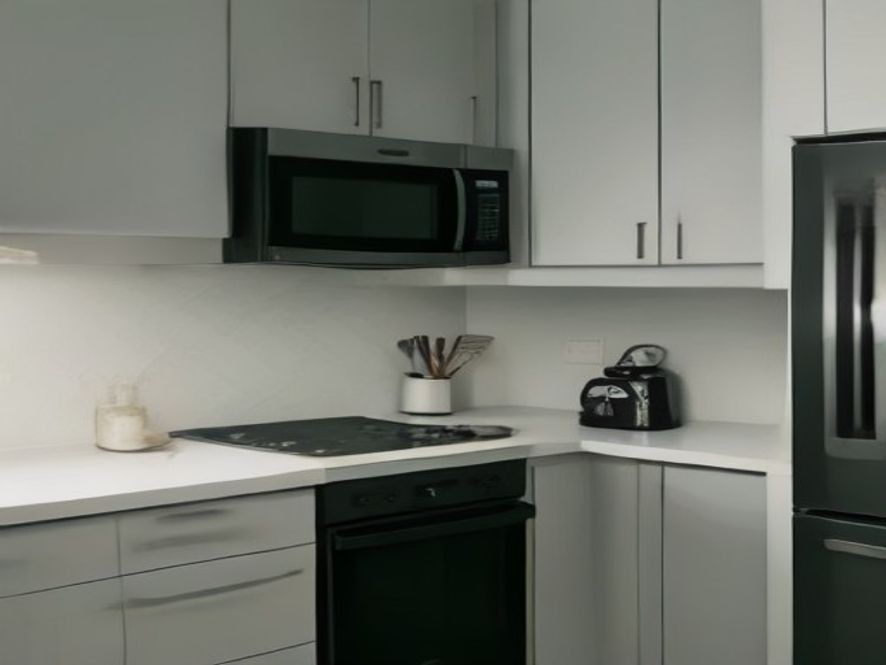
How to Know When a Kitchen Appliance Needs Professional Service
Your refrigerator is making a sound like a dying lawnmower, and you are wondering whether to grab a toolbox or a phone—knowing the difference can save you money, time, and danger.
That hesitation is understandable. Some appliance hiccups are simple fixes, while others are clear signals that it is time to bring in a professional. Ignoring the warning signs can turn a small problem into an expensive disaster, and attempting the wrong DIY repair can be dangerous. Let us walk through exactly what to look for.
Safety Red Flags That Mean “Call Now”
Some symptoms are not “wait and see” situations. They are emergency signals that require immediate professional attention:
- Burning smell, smoke, or scorching: Unplug the appliance or shut off the breaker if it is safe to do so. This often points to wiring, motor, or control board issues.
- Sparks, buzzing, or repeatedly tripping breakers: This suggests an electrical fault that needs professional diagnosis.
- Gas smell or suspected ignition issues: Leave the area immediately and follow local safety guidance. Gas appliances require special care and proper testing.
- Standing water near electrical components: A leak can turn dangerous quickly if water reaches wiring, outlets, or internal electronics.
- The appliance is unusually hot to the touch: Overheating can indicate venting problems, motor strain, or failing components.
- Loud grinding, metal-on-metal, or repeated clicking: Those sounds often signal mechanical failure, not a quick adjustment.
The Most Common Warning Signs
Strange Noises
Appliances should run relatively smoothly. When they start making unusual sounds, something is off. Grinding, banging, screeching, or rattling often signal worn-out components like belts, bearings, or motors.
For example, a refrigerator that suddenly hums louder than usual or begins to rattle unpredictably may have a failing fan or compressor. A washing machine with loud thumping noises could have worn drum bearings. Don’t ignore these sounds—they rarely fix themselves.
Inconsistent Performance or Efficiency
If your appliance is not doing its job properly, something is wrong. Signs include:
- Refrigerator: Not staying cold, food spoiling faster than usual, or excessive frost buildup
- Oven: Uneven heating or failing to reach the desired temperature
- Dishwasher: Dishes coming out dirty or water not draining
- Dryer: Taking much longer to dry clothes
Also, if your energy bills have crept up, inefficient appliances could be the culprit. They consume more power when struggling to function correctly.
Unusual Odors
Strange smells are not just unpleasant; they can be warning signs:
- Burning smell: Often indicates overheating, electrical shorts, or failing motors. Stop using the appliance immediately.
- Musty or moldy smell: In washers and dishwashers, this can mean old water is not draining properly and mold is growing.
- Gas smell: This is a serious emergency. If you smell gas, evacuate and call the gas company.
Water Leaks
Finding water pooling around your dishwasher, washing machine, or refrigerator is never good. Leaks can stem from damaged hoses, clogged filters, or faulty seals. Ignoring them can lead to water damage, mold growth, and expensive flooring repairs.
Unresponsive Controls or Electrical Problems
If buttons, dials, or digital displays stop working, or the appliance keeps tripping the circuit breaker, it is time to call a professional. Electrical issues are among the most dangerous problems for homeowners to tackle on their own.
Frequent Breakdowns
If you are calling for repairs every few months, it might be time to have an expert evaluate the overall condition of your appliance. Recurring issues can signal deeper problems or that the unit is nearing the end of its useful life.
DIY or Professional? A Simple Checklist
Use this checklist to decide whether to attempt a fix or call a pro:
- Name the symptom clearly: Not cooling, not heating, leaking, loud noise, error code, won’t start.
- Check the easiest causes first: Power outlet, breaker, water valve, filters, settings.
- Look for safety concerns: Burning smell, sparks, gas smell, or water pooling mean stop and call.
- Ask: “Can I fix this without tools?” If the next step involves removing panels or touching internal parts, you are outside safe DIY territory.
- Consider the consequences of waiting: A fridge warming up means food spoilage. A water leak can cause flooring damage.
Appliance-Specific Signs for Professional Service
Refrigerator and Freezer
- Unit runs constantly but won’t stay cold
- Clicking sounds, warm spots, or intermittent cooling
- Water pooling under the fridge
- Ice maker leaks or won’t produce ice
- Frost buildup in unusual places
- Food freezing in the fresh-food section
Oven and Stove
- Fails to reach the set temperature
- Uneven cooking or hot spots
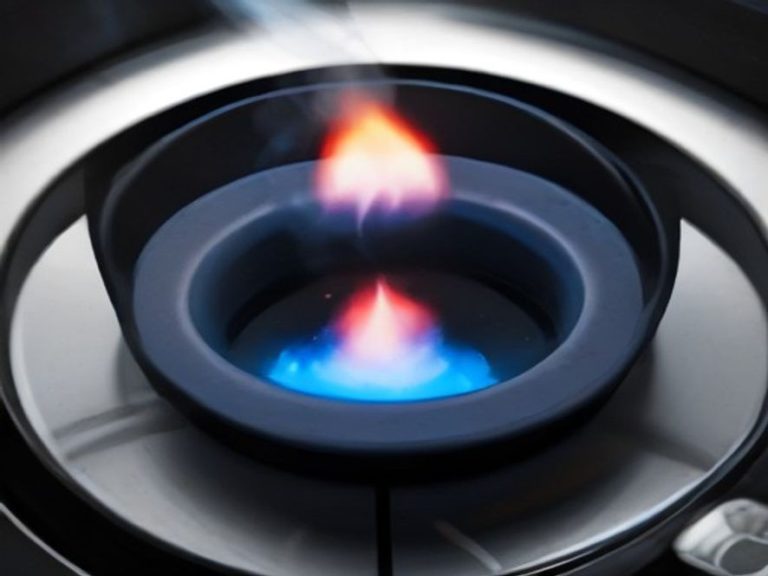
- Burner flames are yellow or orange instead of steady blue (for gas models)
- Gas smell near the stove
Dishwasher
- Water won’t drain after cycles
- Dishes remain dirty or have residue
- Leaking from the door or underneath
- Unusual noises during operation
Microwave
- Any internal repair—microwaves contain capacitors that can hold a dangerous charge even when unplugged
- Unusual burning smell or sparks
The Repair vs. Replace Decision
When facing a repair, use these guidelines:
The 50% Rule (with exceptions): A common guideline suggests replacing appliances when repair costs exceed half the replacement price. However, this rule has limitations:
- Appliance age matters: A 2-year-old refrigerator might justify a repair costing 60% of replacement because you will likely get 10+ more years. That same repair cost on a 12-year-old refrigerator makes less sense.
- Typical lifespans: Refrigerators average 10-15 years, dishwashers 8-12 years, ranges 13-15 years, microwaves 8-10 years.
- Multiple previous repairs: An appliance requiring its third significant repair in two years is telling you something.
When to repair (usually):
- Repair costs under 30% of replacement
- Appliance is less than 5 years old
- The problem is minor (seals, burners, simple parts)
When to replace (usually):
- Repair costs over 70% of replacement
- Appliance is near or exceeding typical lifespan
- The problem is major (compressor failure, motor burnout, sealed system leak)
Summary Table: When to Call a Professional
| Symptom | DIY Safe? | Professional Needed? |
|---|---|---|
| Cleaning coils or filters | Yes | No |
| Replacing door seals | Yes | No |
| Burning smell or smoke | No—stop immediately | Yes—emergency |
| Sparks or tripping breakers | No | Yes—emergency |
| Gas smell | No—evacuate | Yes—emergency |
| Refrigerator not cooling | Check basics only | Yes |
| Oven not heating | No | Yes |
| Water leaks | Check hoses only | Yes |
| Appliance over 10 years old | Basic maintenance only | Likely need professional |
FAQ
How do I know if my appliance problem is an emergency?
If you smell gas, see sparks, smell burning, or see smoke, stop using the appliance immediately. For gas smells, evacuate and call the gas company. For other emergencies, unplug the appliance and call a professional.
Is it worth fixing a refrigerator that is 10 years old?
Consider the repair cost and the typical lifespan. Refrigerators average 10-15 years. A minor repair on a 10-year-old fridge might be worthwhile, but a major repair like compressor replacement often isn’t.
Can a DIY repair void my appliance warranty?
Yes. Most warranties require all repairs to be performed by authorized technicians. Attempting repairs yourself usually voids the warranty.
What should I do if my appliance keeps tripping the breaker?
This indicates an electrical fault. Unplug the appliance and call a professional. Do not keep resetting the breaker, as this can cause further damage or create a fire hazard.
How often should I have my appliances professionally inspected?
An annual inspection is recommended for major appliances, especially when they are approaching the end of their expected lifespan.
References
Trusted sources for kitchen appliance maintenance and repair decisions:
- Famous Appliance Service – When to Call a Professional
- Mr. Appliance – 5 Signs Your DIY Appliance Repair Is About to Go Terribly Wrong
- Cosmo Appliances – When to Repair vs. Replace Kitchen Appliances
- FixEm – When to Call an Appliance Professional
- Asurion – Is DIY Appliance Repair a Bad Idea?
- L’Atelier Paris – Know the Signs Your Appliances Need Service
- Defy – 5 Signs Your Appliance Needs Repairs
- BNO News – Repair, Not Replace: How U.S. Households Are Changing
Which kitchen problem do you want solved next? Share your thoughts in the comments.